

 Français
 DE
DE
Exploring the Value of RFID Tool Tracking Systems
Investing in an RFID (Radio Frequency Identification) tool tracking system is a significant decision, particularly when considering the Return on Investment (ROI). For businesses in sectors like manufacturing and supply chain, understanding RFID’s ROI is important. It determines if this technology will offer substantial financial benefits.
RFID tool tracking systems extend beyond mere data collection; they offer a holistic solution that can revolutionize asset management, streamline operations, and boost efficiency. With RFID, real-time asset tracking becomes swift and precise, minimizing the costs and time linked with manual tracking.
This enhancement in operational efficiency not only saves money but also generates new revenue opportunities through improved inventory management and customer service. This article will explore how RFID tool tracking systems can justify their investment and deliver a robust ROI, marking them as an invaluable component of your asset management approach.
Reducing Human Error and Time Consumption
Streamlining the Check-In/Check-Out Process
One of the significant advantages of implementing an RFID tool tracking system is the streamlined check-in and check-out process for tools and equipment. Traditional manual methods often involve logging tools in and out using paper-based systems or barcode scanning, which can be time-consuming and prone to errors.
With RFID technology, tools can be tagged with RFID labels, and as workers check them in or out, the RFID readers automatically capture the data, eliminating the need for manual entry. This not only reduces the time spent on this process but also minimizes the risk of human error, such as mislogging or forgetting to log tools.
Enhanced Inventory Management
RFID tool tracking systems also significantly enhance inventory management by providing real-time visibility into the location and status of tools and equipment. Unlike manual tracking methods, which can lead to inaccuracies and delays, RFID systems update inventory levels and locations instantly as tools move through the facility. This real-time tracking capability ensures that inventory records are always accurate, reducing the likelihood of stockouts or overstocking.
Additionally, RFID technology allows for the simultaneous tracking of multiple items, which is particularly beneficial in large industrial settings where numerous tools and components are in constant use. This automated and accurate tracking process saves time and resources that would otherwise be spent on manual inventory checks and updates
Improving Accuracy and Asset Utilization
One of the significant benefits of implementing an RFID tool tracking system is the reduction of ghost and duplicate assets. Ghost assets are those that are listed on the company’s ledger but are physically missing or unusable, while duplicate assets are unnecessary purchases made because the existing assets were not accurately tracked.
RFID technology helps eliminate these issues by providing real-time visibility into the location and status of all assets. With RFID tags, each asset is uniquely identified, allowing for accurate tracking and preventing discrepancies between physical counts and ledger records. This real-time tracking capability ensures that assets are not miscounted or misplaced, thereby reducing the likelihood of ghost and duplicate assets.
RFID tool tracking systems also play an important role in optimizing maintenance schedules for your equipment and tools. By automating the tracking of tool usage and condition, RFID technology facilitates proactive maintenance scheduling. This approach helps prevent unexpected breakdowns and reduces downtime, as maintenance history and upcoming service requirements can be easily accessed and monitored.
For instance, RFID tags on tools can track usage patterns, alerting maintenance teams when a tool is due for service or replacement. This proactive maintenance strategy ensures that tools remain in optimal condition, extending their lifespan and contributing to overall cost savings and increased operational efficiency.
Boosting Compliance and Reducing Theft
Ensuring Regulatory Compliance
RFID tool tracking systems are pivotal in ensuring regulatory compliance, especially in sectors like aerospace, healthcare, and manufacturing where strict quality and safety standards prevail. These systems are instrumental in maintaining precise and comprehensive records of tool usage, calibration, and maintenance, which are essential for compliance.
RFID technology offers an auditable record of these activities, aiding in adherence to industry regulations and standards. This encompasses tracking of calibration dates, maintenance schedules, and usage history, vital for audits and ensuring tools conform to required specifications. In the medical device manufacturing sector, RFID systems enhance the management of calibration and preventive maintenance processes, ensuring equipment meets regulatory requirements, thereby reducing the risk of non-compliance and streamlining the audit process.
Theft Mitigation and Security
Additionally, RFID tool tracking systems play a significant role in mitigating theft risks and bolstering security. By employing RFID tags, companies can achieve real-time tool tracking, simplifying the monitoring of tool movement both within and beyond the facility.
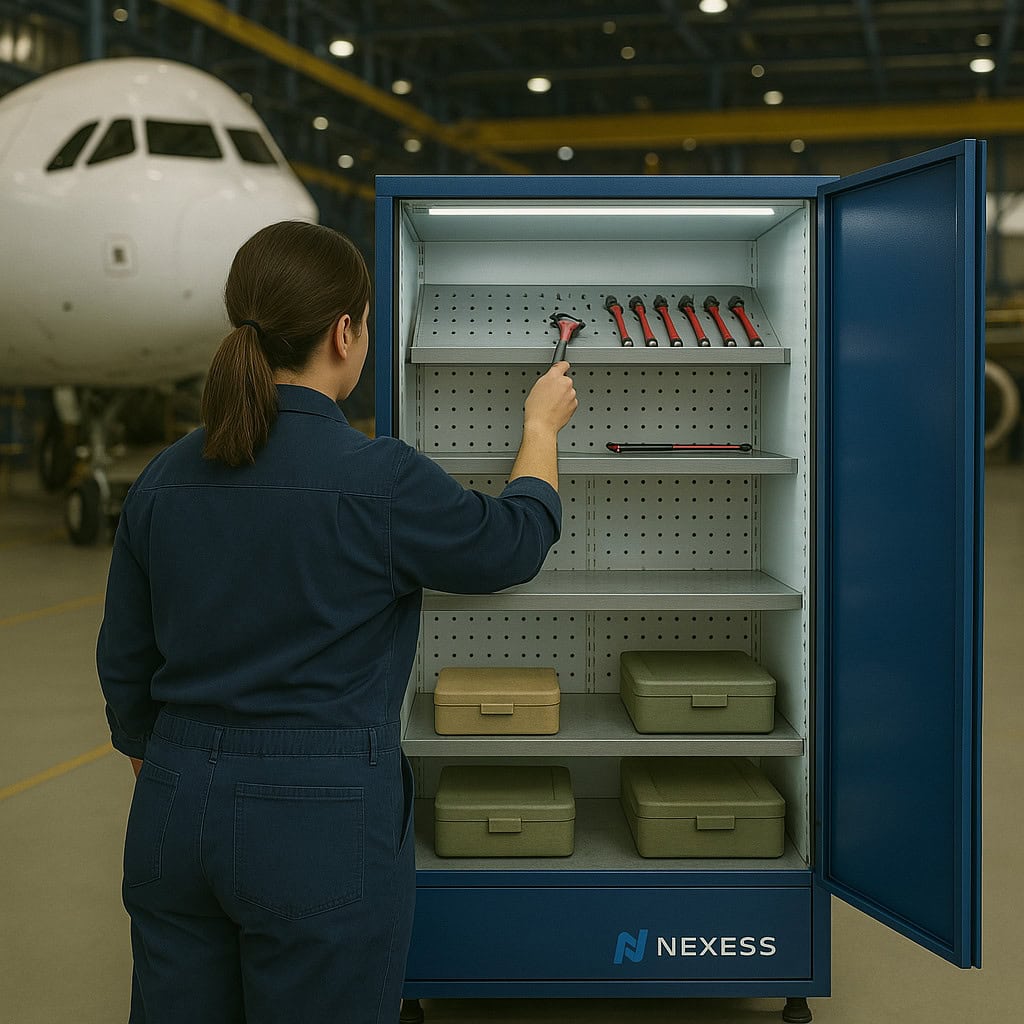
This real-time visibility is essential in detecting unauthorized tool removal, significantly reducing the likelihood of theft. RFID-equipped cabinets and tool carts, with integrated RFID readers, ensure that only authorized personnel can access sensitive tools, enhancing security measures.
In sectors like defense and aerospace, the integration of RFID technology with access control systems introduces an additional security layer, ensuring tool access is restricted to authorized personnel only, thus minimizing theft and misuse risks. The automated logging of tool transactions further aids in maintaining a secure and auditable record of tool usage, essential for compliance with security protocols.
Conclusion: Evaluating the Financial Impact
In conclusion, the adoption of an RFID tool tracking system can significantly influence your business’s financial health. It’s essential to note the reduction of human error and time consumption through automated tracking, alongside improved accuracy in asset utilization. Moreover, the system promotes enhanced compliance and mitigates theft.
RFID technology streamlines the check-in/check-out process, optimizes maintenance schedules, and ensures regulatory compliance, leading to substantial cost savings and increased productivity. When evaluating the ROI, it’s imperative to quantify the benefits, weigh the costs, and consider the payback period carefully.
With thoughtful implementation, RFID systems can offer significant returns, with some businesses achieving an ROI of up to 200% by minimizing labor costs, reducing inventory shrinkage, and curbing asset losses. Investing in RFID technology is a wise decision; it has the potential to revolutionize your asset management practices, enhance efficiency, and ultimately safeguard your financial stability.
FAQ
The cost of RFID tags is influenced by factors such as tag type, functionality (read range, data storage, encryption, durability, and environmental adaptability), bulk purchase discounts, supplier costs, and customization. These costs impact the overall ROI by affecting the initial investment and long-term maintenance expenses. Higher-cost tags with advanced features can provide greater efficiency and accuracy, potentially reducing labor costs and inventory losses, thus enhancing the ROI through improved operational efficiency and reduced overhead expenses.
To estimate the ROI of an RFID tool tracking system, businesses should follow these steps:
-
Establish Clear Goals: Define the desired outcomes, such as reducing asset loss, shortening production cycle times, or reducing overhead costs.
-
Analyze Baseline Performance: Gather current data to determine baseline performance levels against which progress can be measured.
-
Calculate Costs: Include all potential costs such as acquiring and setting up equipment, training employees, and ongoing maintenance fees.
-
Consider Benefits:
-
Automated Processes: Reduce labor costs by automating data gathering and analysis.
-
Inventory Accuracy: Improve inventory records and reduce errors associated with manual data entry.
-
Real-Time Visibility: Enhance decision-making with instant access to data on asset location and status.
-
Security and Loss Prevention: Reduce theft and misplacement of assets through real-time tracking and alerts.
-
Efficient Resource Allocation: Optimize resource use by directing staff and efforts to areas that require attention.
-
Maintenance Scheduling: Extend asset life through timely maintenance based on real-time data.
-
To maximize the ROI of an RFID tool tracking system, implement the following strategies:
-
Automate processes: Automate data gathering and analysis to save time and money by streamlining operations.
-
Integrate with existing systems: Combine the RFID system with existing ERP, WMS, and other software to reduce overhead costs and enhance data consistency.
-
Optimize scanning capabilities: Place scanners in strategic locations to efficiently identify tagged items.
-
Utilize predictive analytics: Leverage analytics to anticipate customer demands and adjust inventory accordingly.
-
Reduce lost assets: Ensure real-time visibility of asset locations to minimize loss due to misplacement or theft.
-
Regular monitoring and reviews: Continuously monitor system performance and conduct periodic reviews to identify areas for further optimization.
OTHER ARTICLES ON THIS TOPIC

Revolutionizing Tool Calibration Management with RFID-Based Solutions
In today’s fast-paced industrial landscape, the need for efficient and precise tool calibration management has...
Jan

Innovation: Launch of NexCap ® Version 2.0
After several months of development by the NEXESS teams, we are thrilled to announce the...
Aug

